Learn how websites are evolving from showing information to explaining it with AI interfaces.
For most of the internet’s history, websites were designed to show information.
A homepage introduced the company.
Product pages listed features.
Documentation explained how things worked.
Visitors arrived, read the information, and tried to understand it themselves.
This model worked well for a long time.
But something about the web is beginning to change.
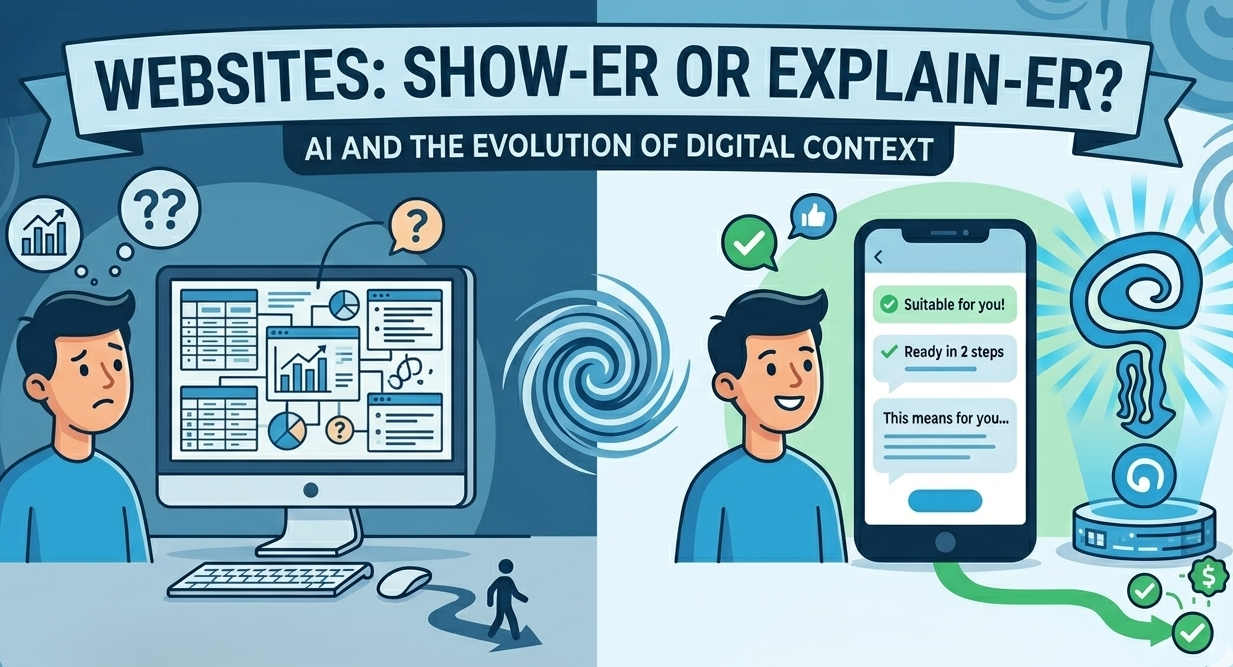
Websites are slowly evolving from places that show information into places that explain things.
The Traditional Website Model
The traditional website model follows a simple structure.
visitor
↓
pages
↓
information
↓
interpretation by the visitor
The website provides information.
The visitor does the interpretation.
If the visitor understands, the interaction succeeds.
If they do not, they leave.
For simple topics, this works perfectly.
But modern products and services are rarely simple.
The Problem With Complex Information
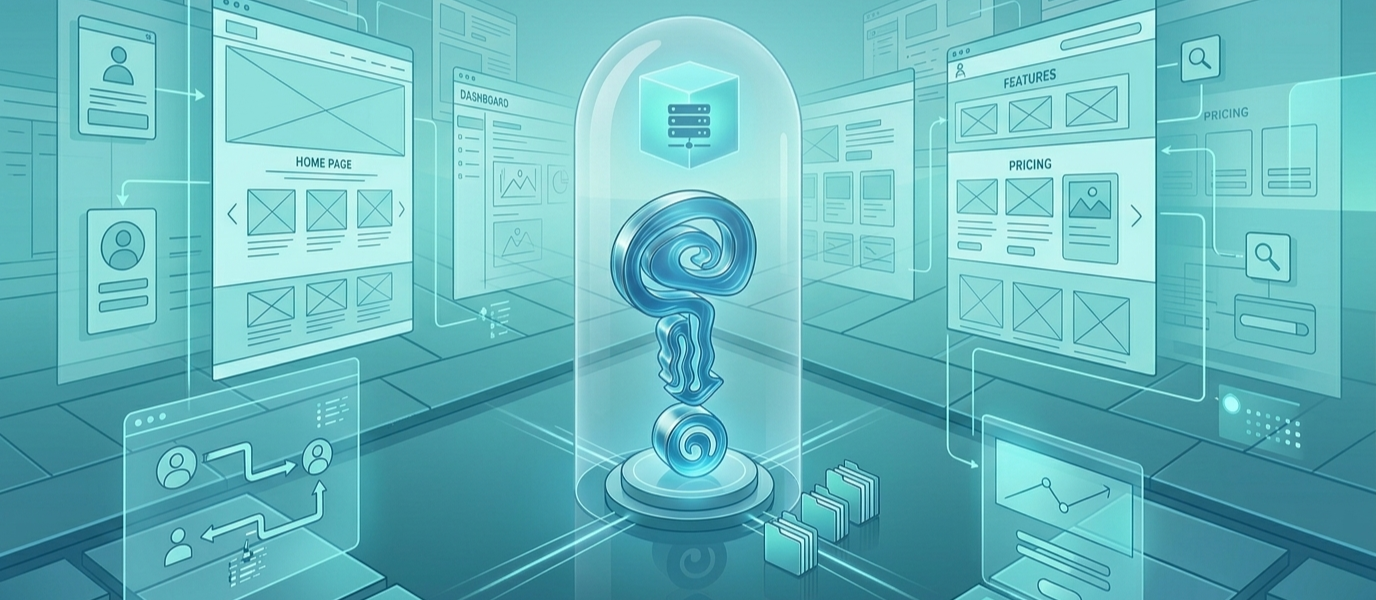
Many modern websites contain large amounts of information.
Product descriptions.
Technical documentation.
Case studies.
Blog posts.
Pricing pages.
Yet visitors still arrive with questions like:
- Is this suitable for my company?
- How complicated is this to implement?
- Is this meant for people like me?
These questions are not just about information.
They are about understanding context.
And context is difficult to deliver through static pages alone.
The Gap Between Information and Understanding
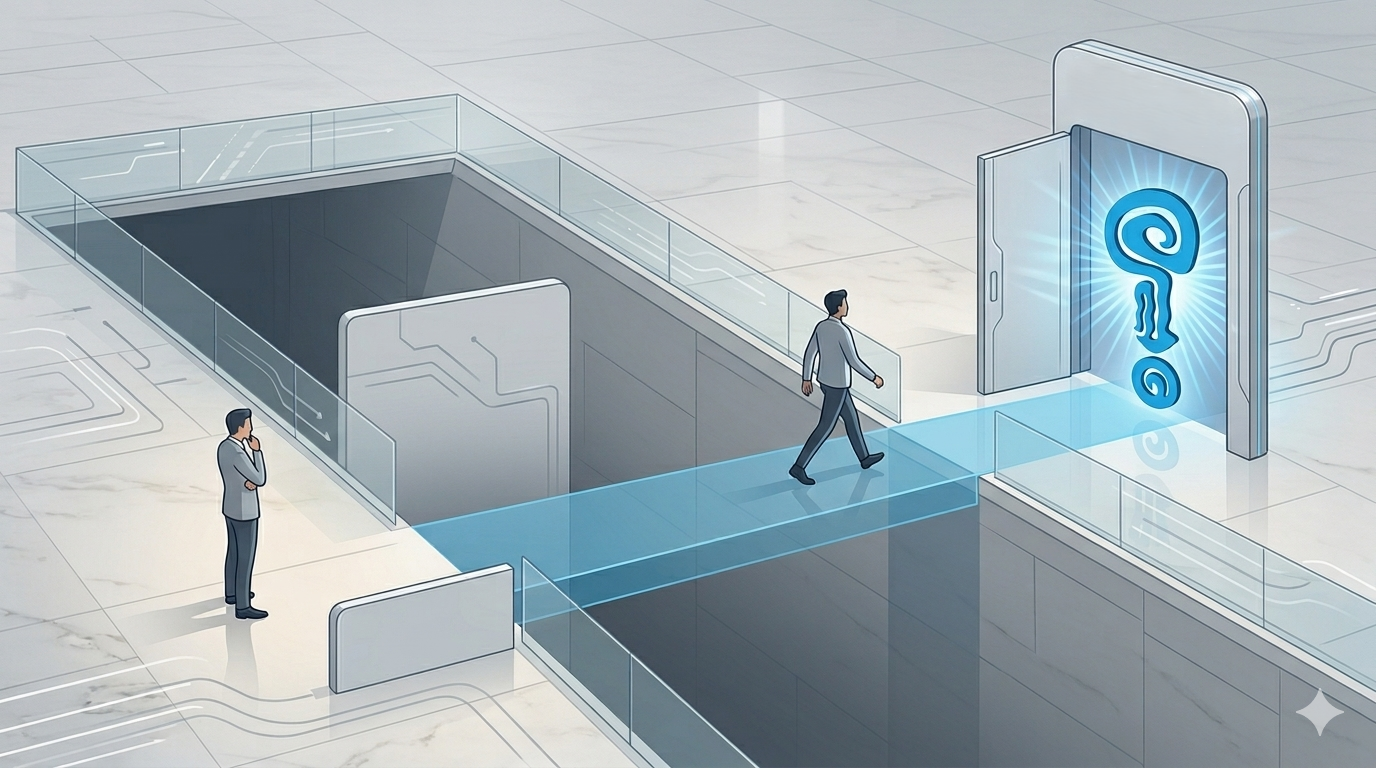
There is an invisible gap that exists on most websites.
The gap between information and understanding.
A website may contain all the information a visitor needs.
But visitors still struggle to answer a simple question:
“What does this mean for me?”
This is where many website interactions fail.
Not because the information is missing.
But because interpretation is required.
How Humans Solve This Problem
In the physical world, this problem is solved naturally.
Imagine walking into a store or office.
You look around.
You see products and information.
But if you are unsure about something, you ask a question.
A representative answers.
They explain.
They clarify.
They translate the information into something meaningful for your situation.
That explanation is what creates understanding.
Why Websites Historically Could Not Do This
For decades, websites lacked the ability to explain.
They could only display information.
If visitors wanted clarification, they had to:
- contact support
- book a demo
- send an email
But many visitors hesitate to do that.
They prefer to understand first before starting a conversation.
As a result, countless potential conversations never begin.
The Moment Websites Start Explaining
Modern AI systems change this dynamic.
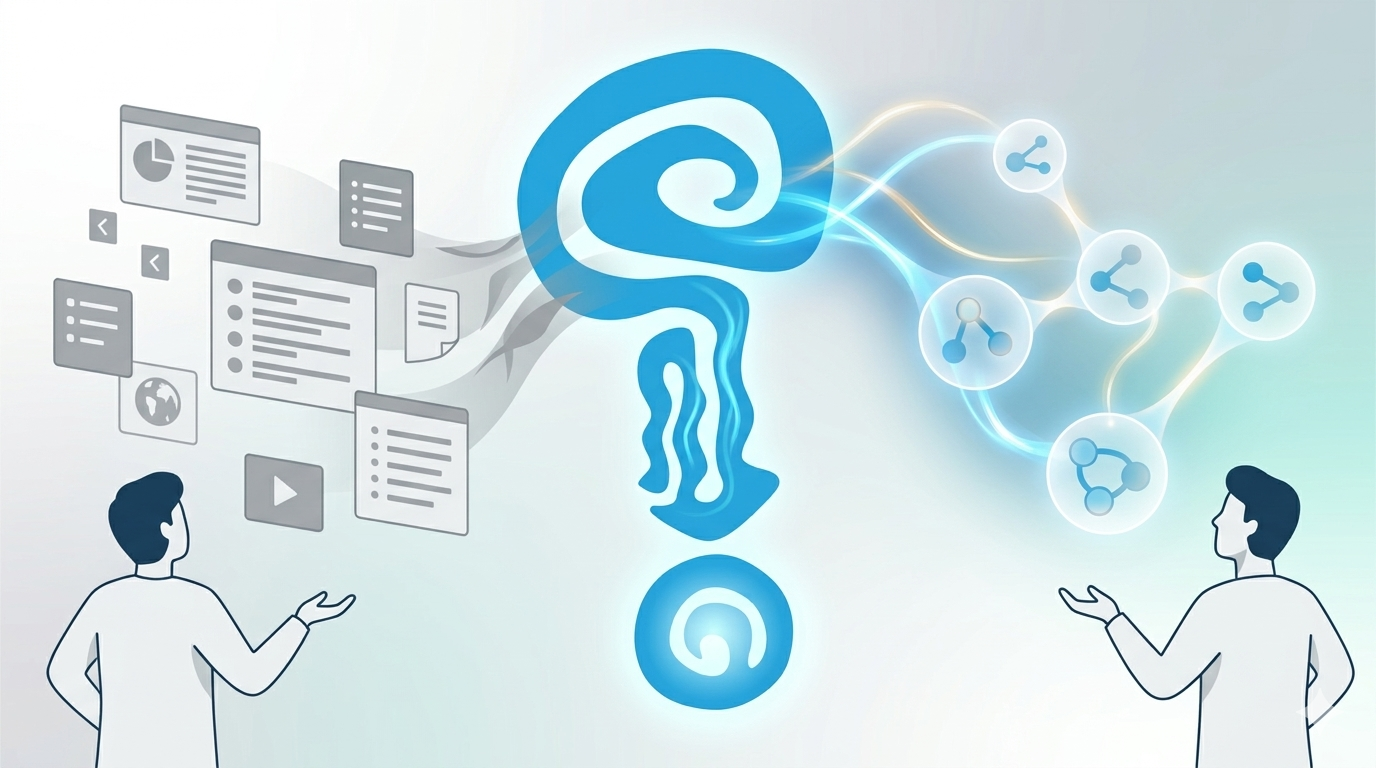
Instead of forcing visitors to interpret everything themselves, websites can now help explain their own information.
A visitor can ask a question.
The system can interpret the knowledge of the website.
And respond with an explanation.
visitor question
↓
AI interpretation
↓
contextual explanation
This changes the role of the website.
It becomes something more than an information container.
It becomes an explanatory interface.
The Next Phase of the Web
If we look at the evolution of the internet, a pattern begins to appear.
early web → pages
search era → finding information
AI era → understanding information
In the next phase of the web, the most effective websites may not simply be those that provide information.
They may be the ones that help visitors understand it quickly.
When a Website Can Explain Itself
When a website can explain itself, something interesting happens.
Visitors feel less lost.
They ask questions.
They clarify doubts.
They move from curiosity to understanding.
And understanding often leads to meaningful conversations.
The website is no longer just showing information.
It is helping people make sense of it.
The Quiet Evolution of Websites
This shift may happen gradually.
Most websites today still function as information displays.
But as conversational interfaces become more common, expectations will change.
Visitors will not only expect websites to show information.
They will expect websites to help them understand it.
And when that happens, the role of a website will quietly evolve.
From a place that shows information.
To a place that explains it.
Continue Reading
← Previous: AI Changing Internet Behaviour
Next: The AI Assistant as a Guide →
Want to see it in action?
You can try a live AI representative here:
👉 https://privas.ai